

View the 2025-2026 Annual Report
Every community sees health through a different lens. For some, it means access to care close to home. For others, it means preparing the next generation of health professionals, supporting providers in practice, or strengthening the workforce that keeps our communities healthy. At Northwest Area Health Education Center (Northwest AHEC), these perspectives come together through one shared mission: recruiting, training, and retaining the health care workforce needed to create a healthier North Carolina.
Our 2025-2026 Annual Report - Health from Every Perspective, highlights the many ways Northwest AHEC collaborates with educational institutions, health systems, community organizations, and providers across our 17-county region to address some of North Carolina’s most pressing health care workforce challenges.
A Mission That Requires Many Perspectives
North Carolina continues to face significant workforce shortages, particularly in rural and underserved communities. In his annual message, Michael P. Lischke, Distinguished Director of Northwest AHEC, noted that the state is projected to face a shortage of at least 12,500 registered nurses by 2033.
Addressing challenges of this scale requires a comprehensive approach. Throughout the year, Northwest AHEC worked to:
- Inspire future health professionals through career exploration and workforce pipeline programs.
- Support students and residents as they advance through health professions training.
- Provide continuing education and professional development opportunities.
- Partner with practices and organizations to improve care delivery and access to services.
- Expand access to information, technology, and resources that strengthen health care across the region.
Building Tomorrow’s Workforce
One of the strongest examples of health from every perspective is Northwest AHEC’s work with students at every stage of the workforce pipeline.
This year, the NC AHEC Scholars Program welcomed 33 college students, providing them with educational and clinical experiences focused on community health issues. Northwest AHEC also partnered with Wake Forest University School of Medicine on initiatives such as Share the Health Fair, Project SEE, and Sisters in Science, helping students gain meaningful experience while expanding access to health services within the community.
Another highlight was the continued growth of Camp Med, which introduced students from all 17 counties in the Northwest region to a wide range of health careers through both in-person and virtual experiences. The program reached more than 1,000 participants, helping students envision futures in health care while building the workforce pipeline our communities need.
Strengthening Local Partnerships
The annual report also showcases how collaboration drives impact.
In Alexander County, rising ninth-grade students explored health professions through ACHS Camp Med, gaining hands-on experiences and exposure to career opportunities that may not otherwise be available in their community. In Catawba County, partnerships between Catawba Valley Medical Center and Catawba Valley Community College continued to strengthen the nursing workforce through innovative programs such as the Clinical Instructor Partnership Program.
These examples reflect Northwest AHEC’s approach to partnership: aligning missions, sharing resources, leveraging relationships, and focusing on measurable outcomes that improve health and well-being across the region.
Creating a Healthier North Carolina
Whether supporting students, residents, health professionals, practices, or communities, Northwest AHEC's work is grounded in the belief that lasting solutions come from understanding health through many perspectives. Each program, partnership, and educational opportunity contributes to a stronger workforce and healthier communities throughout northwest North Carolina.
As we reflect on the accomplishments of the past year, we remain grateful for the countless partners, educators, health care professionals, and community leaders who share in this mission. Together, we are developing the workforce needed to create a healthier North Carolina, one perspective at a time.
Read the full 2025-2026 Annual Report: Health from Every Perspective.
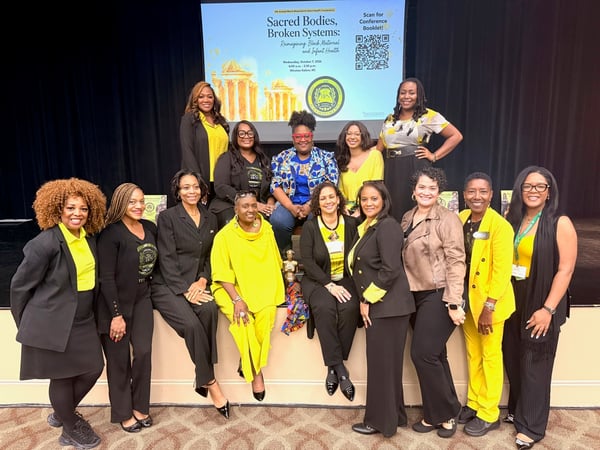
 The Black Pearls Society once again brought together healthcare professionals, advocates, community leaders, educators, doulas, midwives, public health practitioners, and community members for its 4th Annual Black Maternal & Infant Health Conference, held under the powerful theme, "Sacred Bodies, Broken Systems: Reimagining Black Maternal and Infant Health."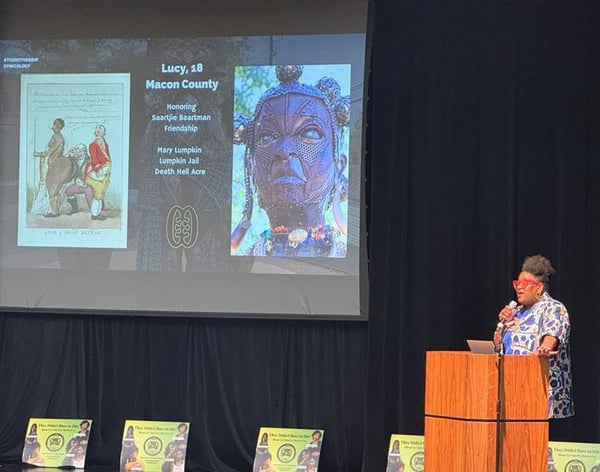
.jpeg?width=600&height=473&name=Image%20(1).jpeg)
.jpeg?width=600&height=520&name=Image%20(3).jpeg)
.jpeg?width=600&height=450&name=Image%20(4).jpeg)
-2.jpeg?width=600&height=826&name=Image%20(6)-2.jpeg)
.jpeg?width=600&height=649&name=Image%20(2).jpeg)

 Programming addressed four key areas: Physical Health, Mental Health and Wellbeing, Communication and Behavior, and Advocacy and Empowerment.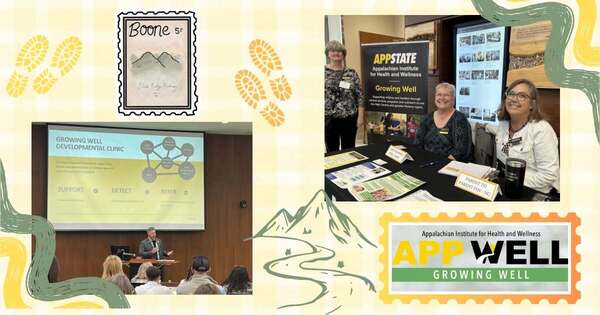
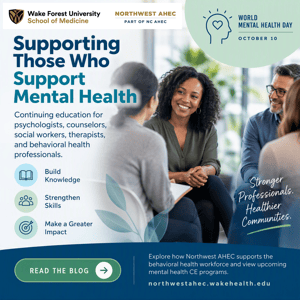 Stay current on emerging mental health research and treatment interventions
 Health Fair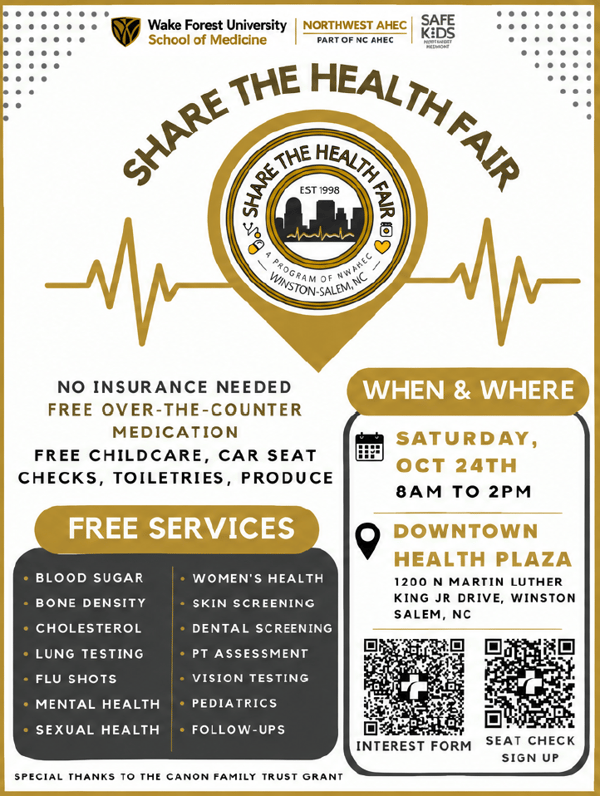
 For many men who use intimate partner violence, fatherhood can be a powerful motivator for seeking help and making lasting changes. This workshop will examine how intervention programs can thoughtfully integrate parenting and fatherhood into their work while maintaining a strong focus on survivor safety, child well-being, and offender accountability.